
You’ve got a casserole ready for the oven, the timer set, and dinner planned down to the minute. But 30 minutes later, the cheese hasn’t melted, the middle is still cold, and your oven seems to have forgotten its one job.
With holiday cooking around the corner, an oven that won’t heat properly is the last thing you need.
Fortunately, an oven not heating doesn’t necessarily mean it’s time for a replacement. Sometimes the problem is as simple as an incorrect setting. Other times, a worn heating element, faulty igniter, or malfunctioning temperature sensor needs professional attention.
Here are seven common reasons your gas or electric oven might stop heating and what you can do about them.
1. A Heating Element Has Burned Out
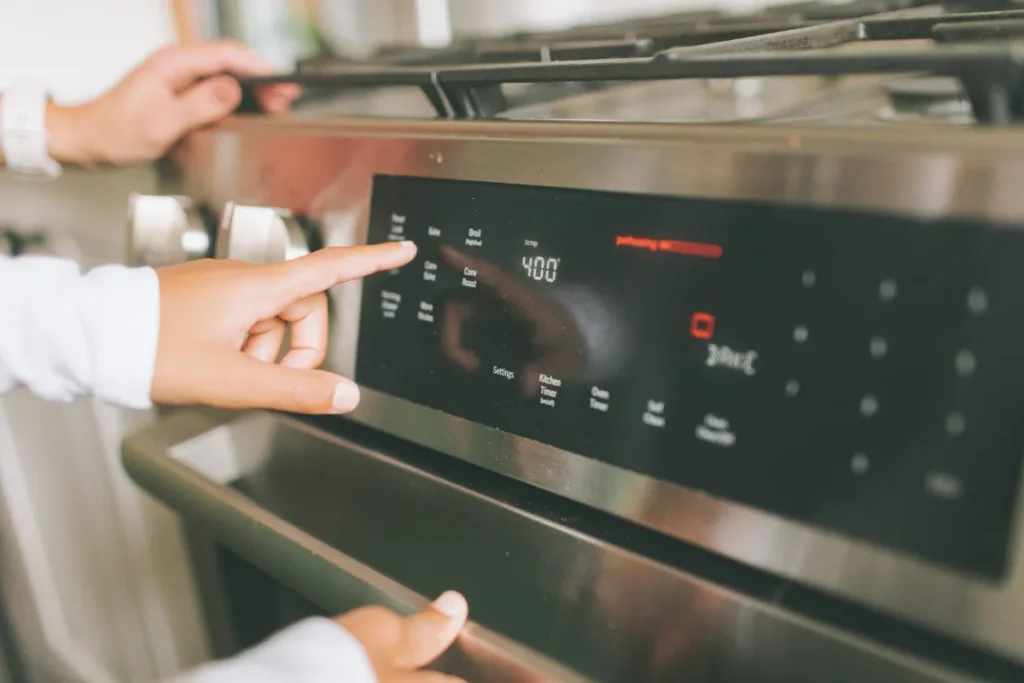
If your electric oven isn’t heating, a damaged heating element is one of the first things to consider.
Electric ovens typically use separate elements for baking and broiling. When one fails, your oven might still produce some heat but struggle to reach the correct temperature or cook food evenly. Common warning signs include:
- Food taking longer than usual to cook
- Unevenly baked or browned dishes
- Visible cracks, blistering, or breaks in an exposed element
- The oven remaining cold even when set to bake
Faulty heating elements are among the common reasons electric ovens fail to heat. If you suspect a damaged element, turn off the oven and let it cool. A technician can test the component and determine whether it needs replacement.
2. Your Gas Oven Has a Faulty Igniter
Gas ovens use an ignition system to light the burner that heats the oven cavity.
When the igniter begins failing, you might notice that the oven takes unusually long to heat, never reaches the desired temperature, or doesn’t heat at all.
Some gas igniters can glow without drawing enough electrical current to open the gas safety valve. That means the igniter may appear to be working even though the burner never lights.
Because ignition systems involve gas and electrical components, repairs are best left to a trained professional. If you smell gas, leave the area immediately and contact your gas utility or emergency services from a safe location.
3. The Oven Temperature Sensor Isn’t Working
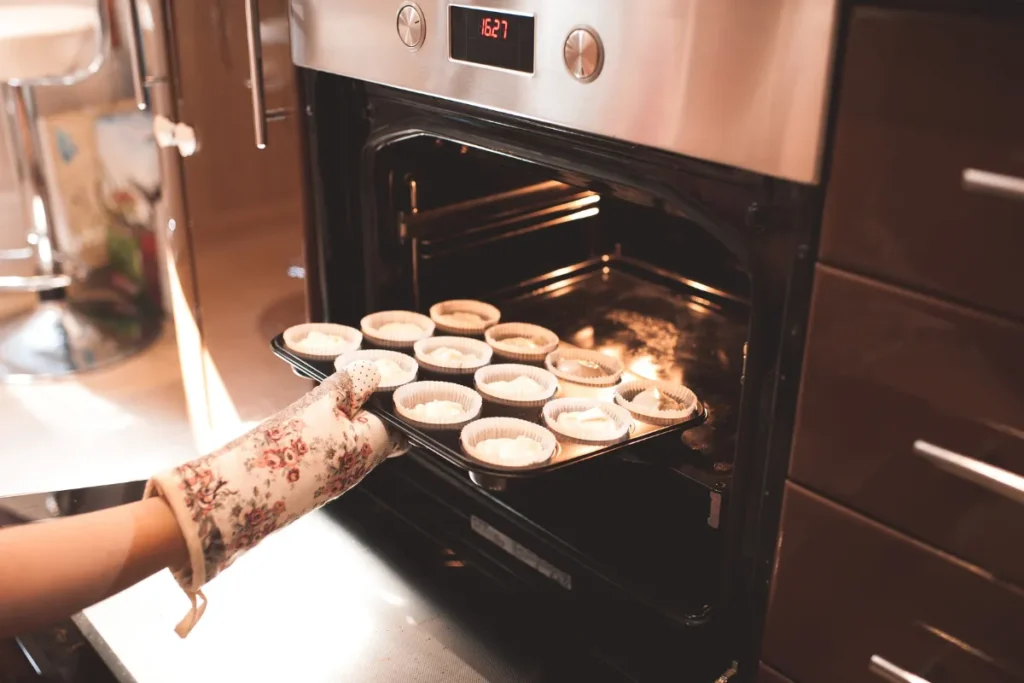
Your oven relies on a temperature sensor to determine how hot the interior has become. If the sensor provides incorrect readings, the oven may shut off the heat too early, run hotter than expected, or struggle to maintain a consistent temperature.
For example, you might set your oven to 350°F, but your cookies take much longer than the recipe suggests. An oven thermometer can help you check whether the actual temperature is consistently different from the setting.
Remember that normal heating cycles cause some temperature fluctuations, so a single reading isn’t necessarily proof of a problem. If the readings remain significantly inaccurate, a technician can inspect the sensor and temperature controls.
4. Your Oven Door Isn’t Sealing Properly
An oven needs to retain heat just as much as it needs to produce it. If the door doesn’t close completely or its gasket is worn, hot air can escape throughout the cooking cycle. Your oven may work harder to maintain temperature, resulting in longer cooking times and uneven results.
Check the rubber or woven seal around the door for visible damage, gaps, or accumulated debris. Make sure nothing is preventing the door from closing fully, including improperly positioned racks.
If the gasket is cracked or the door no longer fits correctly, replacing or adjusting the damaged components may restore normal performance.
5. The Thermostat or Temperature Calibration Is Off
Sometimes your oven heats normally but doesn’t match the temperature displayed on the control panel. That could indicate a calibration problem rather than a failed heating component.
For instance, if you’re consistently burning baked goods despite following recipes carefully, your oven may be running hotter than the selected temperature. An oven thermometer can help identify temperature discrepancies and tell you when calibration or professional inspection may be necessary.
Some ovens allow you to adjust the temperature calibration through the control panel. Check your owner’s manual before changing any settings. If the discrepancy is substantial or unpredictable, professional diagnosis is the safer option.
6. The Oven Control Board Is Malfunctioning
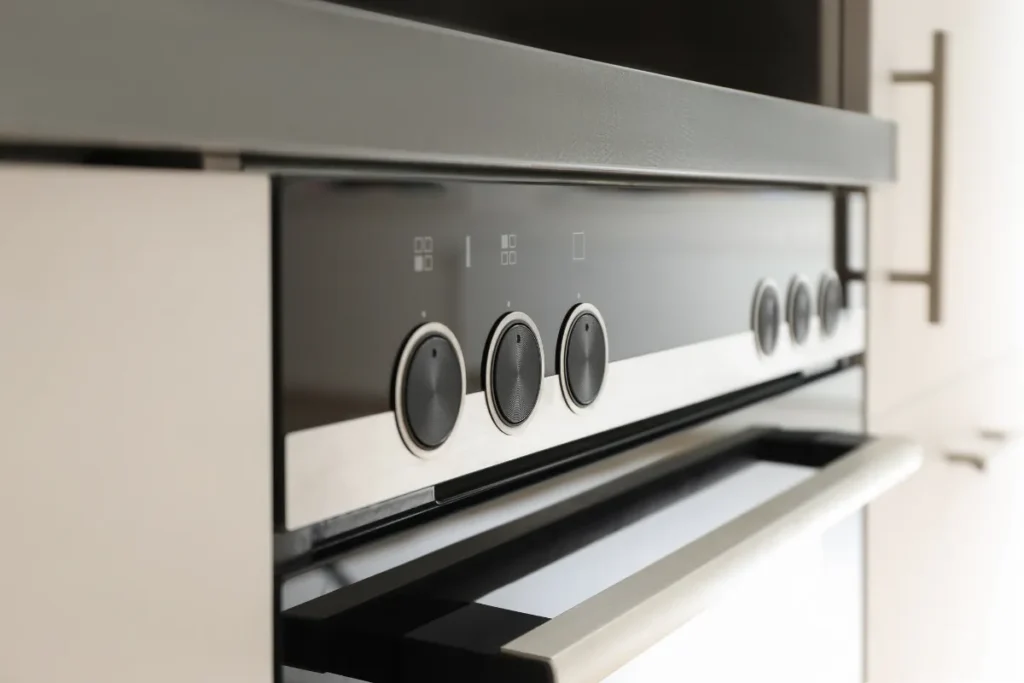
Modern ovens depend on electronic control boards to manage heating cycles, temperature settings, and cooking functions. When a control board fails, the oven may behave unpredictably.
You might notice error codes, an unresponsive display, heating functions that stop working, or an oven that shuts off unexpectedly. However, these symptoms can also result from faulty sensors, wiring, or other components.
Replacing a control board without confirming the problem can be expensive. A technician can test the relevant circuits and determine whether the board or another component needs repair.
7. There’s an Electrical Supply Problem
An oven that isn’t heating up may not be receiving the power it needs. Most residential electric ovens require a 240-volt electrical supply. If one side of that supply is interrupted, certain controls may still operate even though the oven won’t heat properly.
A tripped breaker, damaged connection, or internal wiring problem could be responsible. Check your electrical panel for an obvious tripped breaker, but don’t repeatedly reset one that continues tripping. If the oven loses power unpredictably, produces a burning electrical smell, or repeatedly trips a breaker, stop using it and arrange professional inspection.
When Should You Call for Oven Repair?
Not every heating problem requires an immediate service call. Checking your cooking settings, inspecting the door seal, and comparing the temperature with an oven thermometer can help rule out simple issues.
However, if your oven repeatedly fails to reach temperature, heats unevenly, displays error codes, or stops producing heat altogether, it’s time for professional help. A qualified technician can identify the cause and explain whether repairing the oven makes more financial sense than replacing it.
Schedule Oven Repair With Mustang Appliance Repair
An unreliable oven can throw off your entire day, especially when you’re preparing meals for family gatherings or the upcoming holidays.
At Mustang Appliance Repair, we help homeowners throughout Mustang, Yukon, Piedmont, El Reno, Tuttle, Moore, Newcastle, and the Oklahoma City metro area resolve common appliance problems.
Whether your electric oven isn’t heating, your gas oven won’t ignite, or the temperature keeps fluctuating, our experienced technicians can diagnose the issue and recommend the appropriate repair.
We offer prompt, dependable service and free appliance estimates with repair, so you can understand your options before moving forward.
Don’t let a broken oven derail your holiday cooking plans. Contact Mustang Appliance Repair or call (405) 376-1199 today to schedule your appliance repair and get your kitchen back in working order.