

Your HVAC filter is easy to forget. It sits out of sight, collecting dust while your air conditioner battles another Oklahoma summer.
Then one afternoon, your house feels warmer than it should. The AC seems to be running constantly. You pull out the filter and discover what used to be white is now wearing a thick gray sweater.
Changing an HVAC filter takes a few minutes, but waiting too long can restrict airflow, make your system work harder, and contribute to unnecessary wear. In Oklahoma, where your HVAC system may run heavily through both scorching summers and cold winter stretches, checking that filter regularly is one of the simplest ways to protect it.
So, how often should you change yours?
How Often Should You Change an HVAC Filter?
For many homes, changing the HVAC filter every 60 to 90 days is a reasonable starting point. Many manufacturers recommend replacement within that range, although your filter may need to be changed sooner if it becomes heavily soiled.
ENERGY STAR offers an even easier rule to remember: check your filter every month and change it at least every three months, or sooner if it looks dirty.
It’s more helpful to think of those recommendations as a starting point rather than a rigid schedule. Your home, HVAC system, filter type, pets, and how often the system runs all affect how quickly a filter gets dirty.
Why Might You Need to Change Your HVAC Filter More Often in Oklahoma?
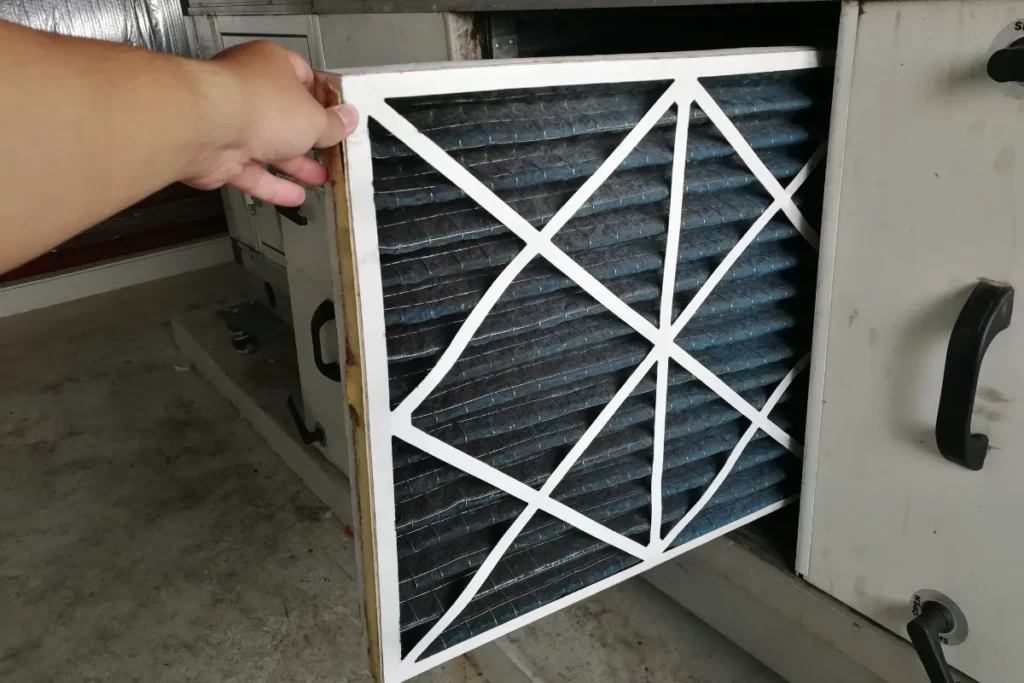
Oklahoma weather doesn’t give your HVAC system much of a break. During the hottest stretches of summer, your AC may run for hours at a time, pulling air (and all the dust, pet hair, and other particles floating around with it) through the filter.
Winter can be just as demanding when your heating system is running heavily. The more your HVAC system runs, the faster that filter can get dirty. Again, that’s why ENERGY STAR recommends checking your filter every month during heavy-use seasons like summer and winter.
In Oklahoma, the calendar alone isn’t a great guide. A filter that stays relatively clean for three months during a mild spring may look completely different after several weeks of 100-degree summer days. Get in the habit of checking it monthly and let its condition tell you when it’s time for a replacement.
Should You Change Your HVAC Filter More Often If You Have Pets?
Probably. Dogs and cats add hair and dander to the collection of material your filter has to capture. Multiple pets can make the difference even more noticeable.
Your filter will tell you quite a bit if you look at it, so check your filter monthly and pay attention to what you find. If it’s consistently covered in hair and dust after four or six weeks, waiting until day 90 simply because that’s what the package suggests doesn’t make much sense.
The same approach works for busy households, homes where doors frequently open to the outdoors, and houses where indoor dust seems to accumulate quickly.
How Can You Tell Your HVAC Filter Needs to Be Changed?
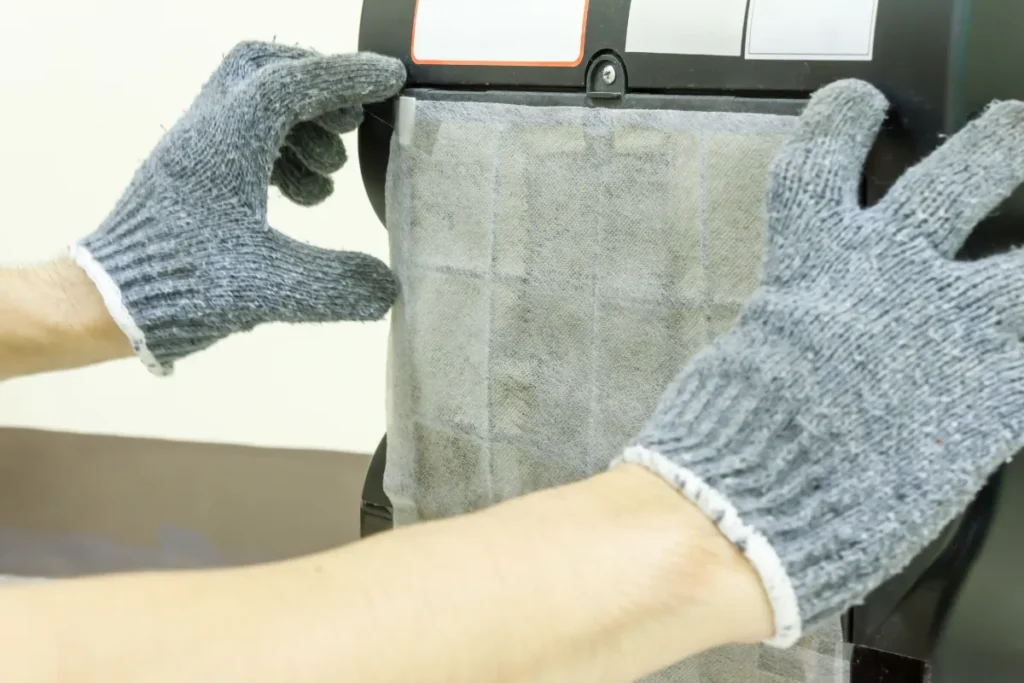
You don’t need sophisticated equipment to spot a neglected filter.
Just pull it out and look at it. If the surface is heavily coated with gray dust, hair, or debris, replace it. If you’re having trouble remembering what a clean filter looks like, keep a new one nearby for comparison.
You may notice changes elsewhere in the house, too. Reduced airflow from your vents, an HVAC system that seems to run longer than usual, or unusual amounts of dust can all justify checking the filter.
Don’t automatically assume the filter caused every HVAC performance problem, though. Weak airflow and long run times can have several causes. If replacing a dirty filter doesn’t improve the problem, your system may need professional attention.
Can a Dirty HVAC Filter Increase Energy Use?
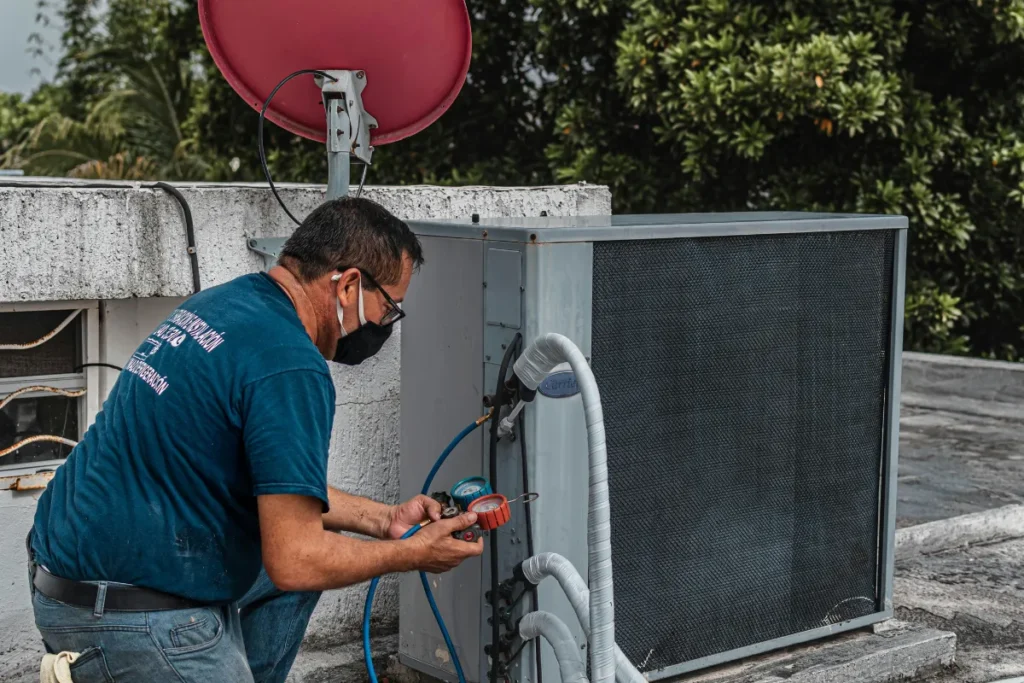
Yes. Your HVAC system needs adequate airflow to operate efficiently.
When a filter becomes clogged, the blower has to work against that restriction. Dirty filters can slow airflow, make HVAC equipment work harder, increase energy costs, and contribute to premature equipment failure.
Airflow problems elsewhere in the system can be costly, too, reducing system efficiency by up to 15%. A fresh filter won’t solve every efficiency problem, but it’s one of the cheapest and easiest maintenance tasks you can handle yourself.
Does a Higher MERV Rating Mean a Better HVAC Filter?
MERV stands for Minimum Efficiency Reporting Value. Higher-rated filters can capture smaller particles, but you shouldn’t automatically grab the highest MERV number you can find.
Your HVAC system needs to be able to move air through the filter. The EPA recommends MERV 13 (or the highest efficiency your particular system’s fan and filter slot can accommodate) for improved particle filtration. If you don’t know what your equipment can handle, check the manufacturer’s specifications or ask an HVAC technician.
The physical fit is important, too. Your filter should sit snugly in its slot without being bent or crushed.
What Happens If You Forget to Change Your HVAC Filter?
Leave a filter in place long enough, and it can become increasingly difficult for air to pass through it. That can mean less airflow at your vents, longer HVAC cycles, higher energy consumption, and additional strain on equipment. Dirt can accumulate elsewhere in the system as well.
If you’ve discovered a filter that looks like it belongs in an archaeological dig, replace it, but pay attention to how the system behaves afterward.
If cooling remains weak, airflow still feels poor, or the AC continues running unusually long, the filter may have been only part of the problem.
Make Your HVAC Filter Part of Your Oklahoma Home Maintenance Routine
Changing your HVAC filter doesn’t need to become another complicated home-maintenance schedule. Check it once a month (especially when your heating or cooling system is working overtime) and replace it when it’s dirty. For many Oklahoma homes, that works out to roughly every 60 to 90 days.
Set a reminder on your phone if you’re likely to forget. It beats discovering a filter packed with six months of dust when your AC is already struggling through a 100-degree afternoon.
And if a fresh filter doesn’t improve weak airflow, uneven temperatures, high energy bills, or an AC that can’t keep up, something else may be going on.
OKC Heat and Air can help you get to the bottom of the problem. Schedule your service today to have your system checked and get your home comfortable again before a minor performance issue becomes a bigger (and more expensive) HVAC repair.